
An emergency kit works when every item inside solves a specific problem during a power outage, severe storm, or roadside delay. Setting up solid emergency preparedness gear starts with six basic categories: clean water and food, hands-free lighting, off-grid communication, warmth, first aid, and hand tools.
Storage for Kit Supplies
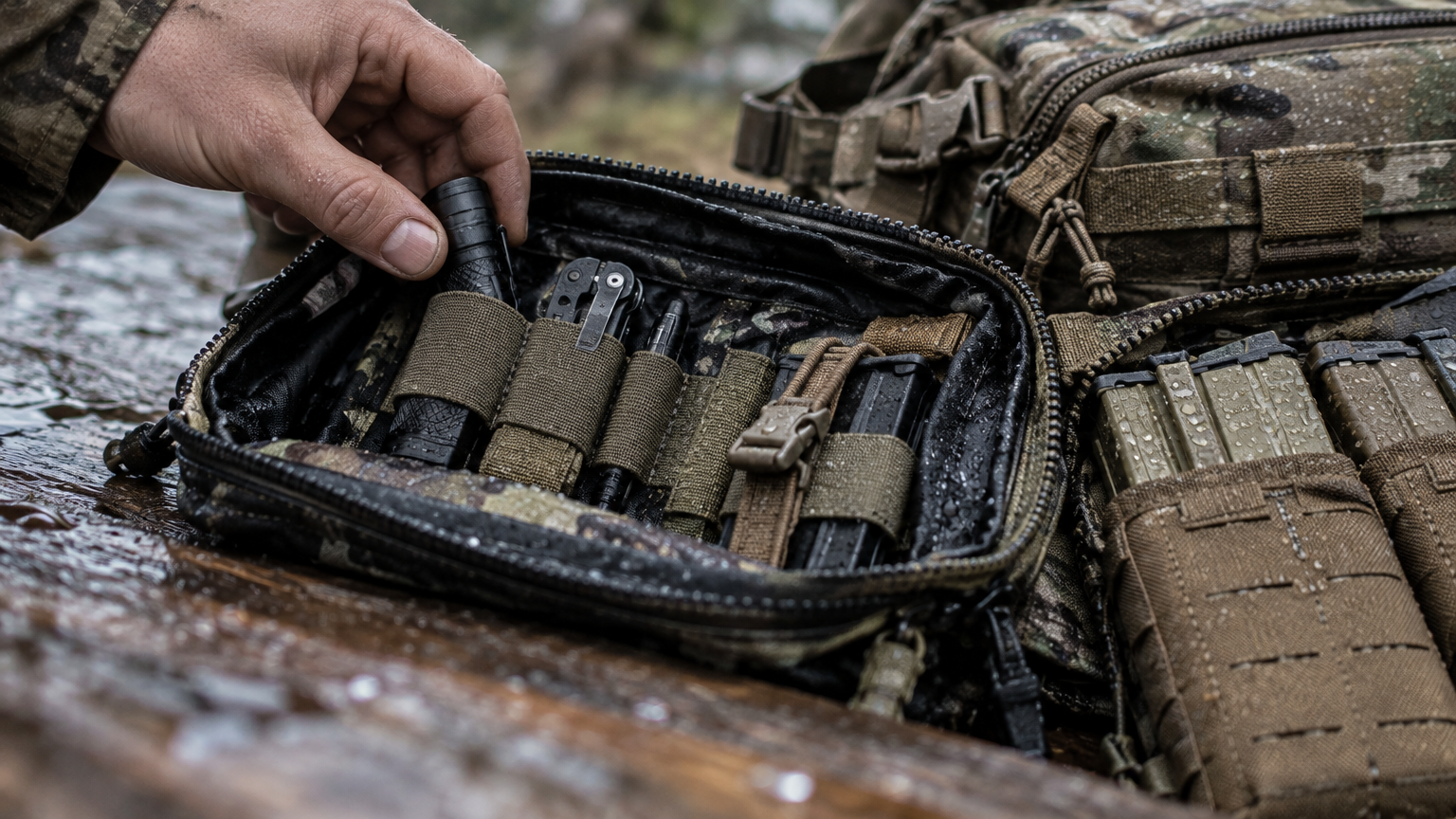
Kit supplies belong in containers that shield contents from moisture and sit in accessible locations near household exits or inside a vehicle trunk. Heavy-duty plastic totes hold multi-day rations, tools, and bulk paper goods in a home pantry or closet without taking on dampness. Smaller grab-and-go gear fits inside zip-closure organizers or tactical packs with external webbing, which keeps items separated so someone searching in the dark reaches the right pouch without dumping the entire loadout. Vehicle items stay together in compact packs placed beneath a seat or in a spare-tire well so loose pieces do not slide around in transit.
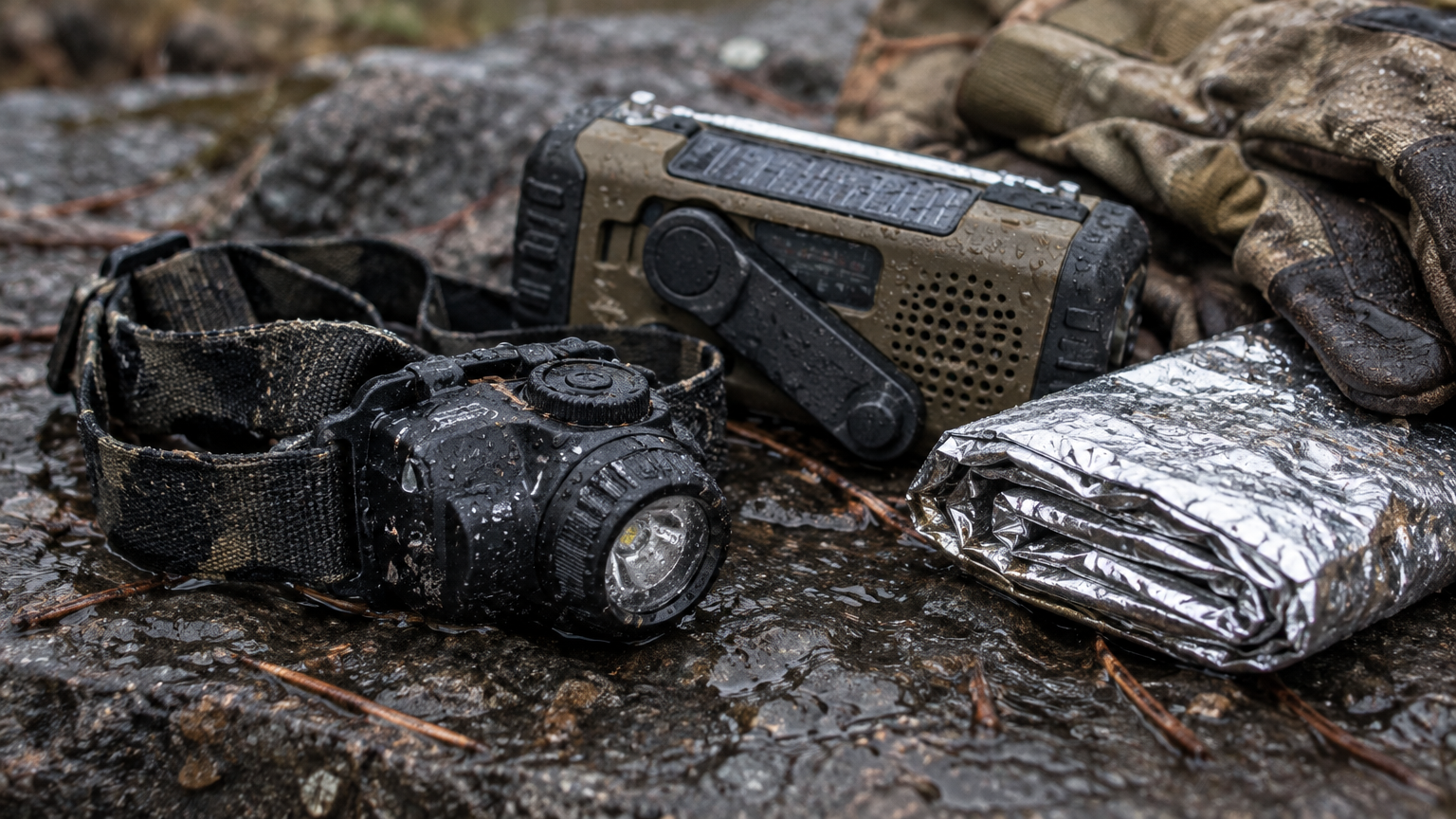
We stock direct gear for these setups, including our USB-C Rechargeable Sensor Headlamp for task lighting, the Reflective Emergency Blanket for personal heat retention, and the Hand-Crank Radio Flashlight for alerts during blackouts. Write to us through our contact page to discuss sizing, loadouts, or delivery schedules.
Core Categories of Emergency Preparedness Gear
Water and shelf-stable food form the foundation of any home reserve. Store at least one gallon of water per person per day for three days in a household kit, and keep sealed water pouches or bottled water in a vehicle bag. Pair that water with high-calorie, ready-to-eat foods that require no cooking, such as nut butters, energy bars, and canned goods with pull-tab lids.
Power failures happen at night, and holding a phone drains a battery you need for calls. A headlamp keeps both hands free for resetting breakers, changing a tire, or sorting medical supplies. Carry a secondary handheld flashlight and a hand-crank light so one dead battery never leaves a room or trail dark.
Cell towers lose power or overload during regional storms. A hand-crank or battery-powered weather radio receives emergency broadcasts when data networks drop. For warmth, a compact reflective Mylar blanket traps body heat and blocks wind in a small footprint. Carry a reflective blanket alongside your normal clothing and shelter equipment, since thin foil sheets supplement insulation and dry layers.
Medical and repair gear handle the small injuries and broken hardware that follow severe weather. Pack adhesive bandages, sterile gauze, antiseptic wipes, medical tape, trauma shears, and a week of personal prescriptions. Add a pocket multitool with driver bits, outdoor gloves, and a small roll of duct tape or paracord for quick repairs to tarps, hoses, or vehicle trim.
| Gear Category | Home Reserve Kit | Vehicle or Day Pack |
|---|---|---|
| Water and Food | Three-day supply, one gallon per person daily | Single-day water and ready-to-eat bars |
| Lighting | Area lanterns, headlamps, and handheld lights | USB-C headlamp and compact backup flashlight |
| Communication | Battery or hand-crank weather radio | Hand-crank radio flashlight |
| Thermal Protection | Wool blankets, sleeping bags, and extra layers | Compact reflective Mylar blanket and dry socks |
| Tools and First Aid | Full household first aid kit, wrench, and multitool | Compact trauma supplies, gloves, and pocket multitool |
Where to Get High Quality Emergency Preparedness Gear
Buying dependable emergency equipment means skipping pre-packed novelty boxes filled with brittle plastic whistles and dim keychain lights. Look for retailers and outfits that focus on working, training, fixing, and preparing, where every tool and pouch is sold to hold up under regular field use.
Inspect construction details and supplier standards across four areas before adding an item to your kit:
- Weather-resistant materials: Choose aluminum flashlight housings, sealed switches, and heavy-duty nylon packs or pouches with reinforced stitching that resist moisture and abrasion.
- Multi-source power: Favor electronics with USB-C recharging paired with hand-crank or solar backup, so you can top off a battery from a wall outlet, a car port, or by hand during an extended outage.
- Honest capability limits: Pay attention to how a supplier labels hardware. Aluminum gear clips are built to hang keys, water bottles, and pouches on a pack, and a reliable seller states clearly that those clips are accessory hardware, not climbing or life-safety equipment.
- Individual replacement options: Buy from a shop that stocks individual lights, pouches, gloves, and blankets separately so you can replace a worn item or upgrade one weak link without buying an entire kit over again.
Storage for Kit Supplies
Good gear fails if it sits buried in a damp basement or loose in a trunk where batteries corrode and pouches disappear under groceries. Separate your supplies into two tiers: a stationary home reserve in heavy plastic bins and a portable grab-and-go bag for your vehicle or daily commute.
Inside a portable kit, group items by function inside modular MOLLE pouches or a dedicated sling bag. Keep lighting and charging cords in one pouch, first aid in a clearly marked second pouch, and tools with gloves in a third. Using aluminum accessory clips keeps small items like whistles, keys, or mini lights anchored to exterior webbing so they stay visible when you open the bag in the dark.
Store home water jugs, shelf-stable food, and spare batteries in a cool, dark closet or interior pantry away from direct sunlight, furnace vents, and freezing garages. Heat accelerates battery discharge and breaks down plastic water containers, while freezing temperatures crack sealed bottles and drain lithium cells. Set a calendar reminder twice a year, such as when clocks change in spring and fall, to test your flashlights, recharge USB-C headlamps, and swap out aging food, water, and medications.
Frequently Asked Questions
Where to get high quality emergency preparedness gear?
Look for outdoor, tool, and tactical equipment suppliers that build their catalog around working, training, fixing, and preparing, with gear meant for repeated field use. Choose sellers that specify materials, power sources, and clear safety limits, such as distinguishing accessory clips from load-bearing life-safety gear.
How often should I replace emergency kit supplies?
Rotate stored water, shelf-stable food, and over-the-counter medications every six to twelve months, or follow the printed expiration dates on each package. Recharge lithium-ion headlamps and radios every six months so their batteries hold a full charge when an outage hits.
What is the difference between a home emergency kit and a vehicle kit?
A home kit covers three or more days of shelter-in-place living with bulk water, pantry food, area lighting, and full-size tools. A vehicle or day-pack kit stays compact and portable, focusing on a single day of water, a reflective Mylar blanket, hands-free lighting, a hand-crank radio, and basic roadside first aid.
Are aluminum carabiner clips safe for climbing or towing?
Standard aluminum accessory clips are designed to hold keys, water bottles, flashlights, and utility pouches onto packs or belts. They are not rated for climbing, overhead lifting, or life-safety loads.
Equipping Your Kit
We provide outdoor gear, tools, tactical equipment, clothing, and utility supplies for those who work, train, repair, and stay ready. Whether setting up a primary home emergency supply or packing a vehicle kit for cold-weather driving, begin with reliable essentials addressing power, illumination, communication, and warmth within a sturdy bag or modular carrying system.
For inquiries about sizing, organizing gear, or putting together a kit for your residence or vehicle, contact us through our contact page.